
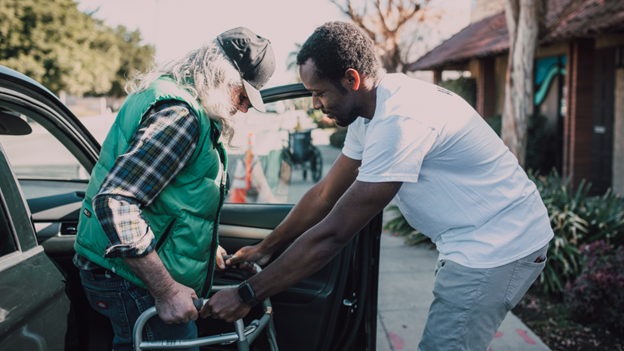
It’s easy to think of helping others as something we do purely for the benefit of someone else. But research consistently shows that kindness, generosity, and service offer powerful benefits for the person giving as well. In many ways, supporting others becomes one of the most effective ways we support ourselves.
When we engage in acts of kindness or service, the brain releases dopamine and endorphins — often referred to as the “helper’s high.” This natural chemical response can create feelings of calm, energy, and even mild euphoria. At the same time, helping strengthens our sense of connection and belonging, triggering what researchers describe as “relatedness,” or emotional bonding. These moments of connection foster contentment and emotional balance while gently pulling our attention away from personal stressors and worries.
Volunteering is one of the most accessible ways people experience these benefits. While the positive impact on the community is obvious, the internal benefits for volunteers are just as meaningful. Consistent service has been shown to support:
- Confidence and self-esteem. Contributing time and skills builds a sense of competence, pride, and identity. Many people also discover new strengths and interests through service.
- Reduced stress and improved mood. Purposeful activity and social connection help counter feelings of anxiety, isolation, and emotional overload.
- A stronger sense of purpose. Knowing your efforts matter creates motivation, energy, and meaning — especially important for long-term well-being.
- Increased happiness and life satisfaction. Helping others naturally reinforces positive emotions and fulfillment.
For behavioral health professionals and those in helping fields, giving back outside of clinical roles can be especially restorative. It offers a different kind of connection — one that is lighter, relational, and free from productivity pressures. These experiences often reignite perspective, gratitude, and emotional balance.
If you’re interested in exploring opportunities, platforms like VolunteerMatch can help connect individuals with organizations seeking support. Sometimes the smallest acts of service create the biggest ripple effects — strengthening communities while quietly nurturing our own resilience, health, and sense of purpose.