
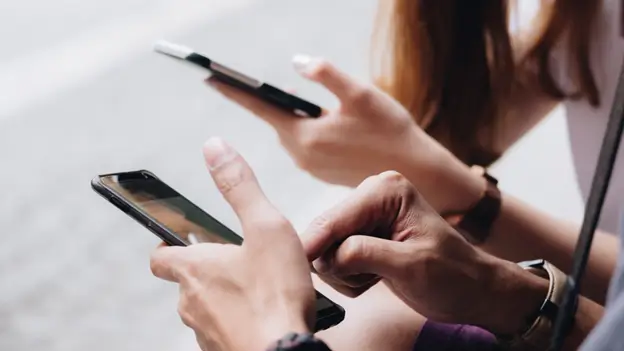
The back-to-school season has always brought a mix of excitement, anticipation, and anxiety. In 2026, however, students aren’t just preparing for new classes and teachers—they’re also navigating an online world that plays a major role in their daily lives. Social media influences how students communicate, learn, build friendships, and view themselves, making it an important factor in their overall mental health.
For behavioral health professionals, educators, and parents, understanding how social media affects students is essential. While these platforms can encourage creativity and connection, they can also contribute to stress, comparison, and emotional challenges. The goal isn’t to eliminate social media altogether, but to help young people develop healthier, more intentional digital habits.
Social Media Is Part of the School Experience
Today’s students don’t leave social media at home when the school day begins. Conversations that once happened in hallways often continue online before, during, and after school. Friendships, extracurricular activities, classroom collaboration, and even school announcements frequently extend into digital spaces.
This constant connectivity has created new opportunities for communication, but it also means students have fewer breaks from peer interactions. Social pressure no longer ends when the school bell rings.
For many students, maintaining an online presence can feel like another responsibility layered on top of academic expectations.
The Comparison Trap
One of the biggest psychological challenges social media creates is constant comparison.
Students are regularly exposed to carefully curated snapshots of classmates’ achievements, friendships, vacations, athletic accomplishments, and social lives. While these posts rarely reflect reality in its entirety, they can create unrealistic expectations.
Some students begin asking themselves:
- Why don’t I have as many friends?
- Why does everyone else seem happier?
- Why am I not accomplishing enough?
- Why don’t I look like everyone else online?
Over time, these comparisons may contribute to lower self-esteem, anxiety, loneliness, or symptoms of depression.
Helping students recognize that social media often highlights only the “best moments” can reduce some of the pressure to measure themselves against unrealistic standards.
AI and Digital Content Add New Challenges
In 2026, artificial intelligence has added another layer to students’ digital experiences.
AI-generated images, personalized algorithms, and highly tailored content feeds make online platforms even more engaging—and sometimes more difficult to step away from. Students may also encounter AI-created misinformation, manipulated images, or unrealistic beauty standards that blur the line between authentic and artificial content.
Developing digital literacy has become just as important as learning traditional academic skills.
Behavioral health professionals can encourage students to question what they see online, recognize manipulated content, and think critically before comparing themselves to digital portrayals.
The Mental Health Connection
Research continues to show that social media affects individuals differently.
For some students, online communities provide support, creativity, and opportunities to connect with peers who share similar interests or experiences. For others, excessive screen time or negative online interactions can increase emotional distress.
Warning signs that social media may be affecting a student’s mental well-being include:
- Increased anxiety after using social platforms
- Difficulty concentrating on schoolwork
- Sleep disruption due to late-night scrolling
- Withdrawal from in-person relationships
- Constant fear of missing out (FOMO)
- Declining self-confidence
- Increased emotional reactivity to online interactions
Recognizing these patterns early allows parents, educators, and clinicians to intervene before emotional challenges become more significant.
Supporting Healthy Digital Habits
Rather than focusing solely on restrictions, behavioral health professionals can help families build balanced digital habits.
Practical strategies include:
- Creating technology-free times during meals or before bedtime
- Encouraging face-to-face friendships and activities
- Teaching mindful social media use instead of passive scrolling
- Discussing online experiences without judgment
- Helping students curate positive, supportive online environments
When students feel comfortable talking openly about their online experiences, adults are better positioned to provide guidance instead of simply enforcing rules.
Building Emotional Resilience Offline
One of the strongest protective factors against the negative effects of social media is a healthy sense of identity that exists beyond the screen.
Students who develop confidence through real-world relationships, hobbies, sports, creative activities, volunteer work, and family connections are often better equipped to manage online pressures.
Behavioral health professionals can help young people identify their strengths, practice emotional regulation, and develop coping strategies that don’t depend on external validation through likes, comments, or followers.
Encouraging students to celebrate personal growth rather than online popularity helps shift the focus toward long-term well-being.
Conclusion
Social media has become a permanent part of the back-to-school experience, bringing both opportunities and challenges. While digital platforms can encourage learning and connection, they also introduce pressures that can affect students’ emotional well-being.
By teaching digital literacy, encouraging balanced technology use, and strengthening real-world relationships, behavioral health professionals, educators, and families can help students navigate social media with greater confidence and resilience. The goal isn’t to disconnect from technology—it’s to ensure that students remain connected to themselves, their communities, and the people who support their growth both online and offline.