
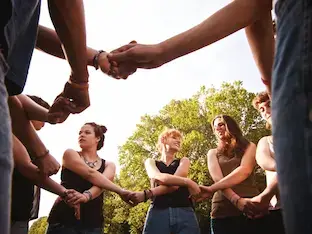
While licensed professionals provide essential treatment and structure, healing doesn’t only happen in the therapist’s office. Sometimes, it starts with a conversation between people who’ve been there—those with lived experience who can offer empathy, validation, and real-world strategies. That’s the heart of peer support, and its impact on mental health care continues to grow.
Peer support specialists are individuals who have navigated their own mental health challenges or recovery journeys and are trained to support others on theirs. They don’t replace clinicians, but they offer something complementary: the comfort of being truly understood. For many clients, especially those who feel isolated or unheard in traditional care settings, that shared experience can be transformative.
Unlike formal therapy, peer support doesn’t always follow a strict agenda. It can look like:
- A check-in over coffee with someone who understands.
- A peer-led support group that encourages open dialogue.
- A text or call when things get tough, reminding someone they’re not alone.
Peer support also empowers individuals to become advocates and helpers themselves. When someone who once struggled begins to support others, it reinforces their own growth while strengthening the broader community.
This summer, peer connections can be a lifeline. Whether it’s a recovery sponsor, a wellness group, or an informal mentorship, encouraging clients to build peer networks supports their long-term resilience.
When we value lived experience alongside clinical expertise, we create a more human, holistic model of care—one that reflects real-life healing.
Let’s continue to lift up these vital voices and make space for support in every form it comes.